Mossy Rock: A Creative Font for Business
As a small business owner, I know how important it is to make every detail count. From the first glance of a product label to the last line of a thank-you card, visual consistency and style matter. That’s why when I came across Mossy Rock, a set of three hand-lettered fonts in two weights, I knew it could be a game-changer for my brand.
A Font with Personality
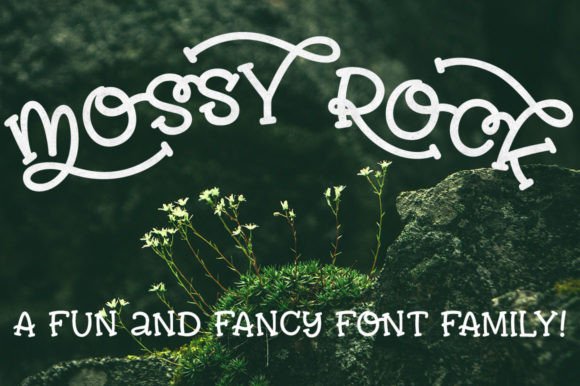
Mossy Rock has a playful yet professional vibe. It’s not just a font—it’s a character. The base weight, Mossy Rock 1, is straightforward but still quirky and fun. The uppercase and lowercase letters have a natural flow that feels handcrafted, making it perfect for brands that want to stand out without being too bold.
What makes Mossy Rock special is its ability to mix and match. The different weights allow for creative layering, whether you're designing a logo or adding decorative accents to a menu. It’s a versatile tool that can adapt to many design needs while keeping a cohesive look.
Real-World Use Cases
I recently updated my bakery’s packaging, and Mossy Rock was the perfect fit. The font added a friendly, approachable feel to the box labels, while still maintaining a polished appearance. It worked well with a clean sans serif for the ingredient list, creating a balance between creativity and readability.
Another time, I used Mossy Rock on a skincare product label. The font gave the packaging a handmade quality that customers loved. It wasn’t too flashy, but it had enough personality to make the product feel unique. For a candle seller, Mossy Rock could add a rustic charm to jar labels, while for a café, it could bring a warm, inviting tone to menus.
Typography Matters
Typography isn’t just about aesthetics—it shapes how people perceive your brand. A well-chosen font can make a business feel more trustworthy, professional, and memorable. Mossy Rock, with its hand-lettered style, adds a personal touch that can help small businesses connect with their audience on a deeper level.
But it’s also important to consider readability. Mossy Rock works best for headlines, logos, and short phrases. On smaller labels or mobile screens, it might need a bit of tweaking to ensure clarity. Still, when used thoughtfully, it can elevate any design without overwhelming the viewer.
Pairing Ideas
One of the strengths of Mossy Rock is how well it pairs with other fonts. For a modern look, I often pair it with a clean sans serif like Helvetica or Montserrat. This creates a contrast that keeps the design from feeling too busy. For a more elegant feel, pairing it with a serif font like Georgia or Playfair Display can add sophistication.
If you’re going for a handwritten or artisanal look, Mossy Rock can work alongside another script or handwritten font. Just be careful not to overdo it—too many styles can confuse the eye. Stick to one or two complementary fonts for the best results.
Designing for Different Mediums
Whether you're printing packaging, updating social media templates, or designing a website banner, Mossy Rock can be a valuable asset. It’s ideal for display text, such as headlines or promotional messages, where visual impact is key. But for body text or longer paragraphs, it’s better to use a more readable typeface.
When using Mossy Rock on digital platforms, like Instagram or online shop banners, keep the size large enough to read clearly. On printed materials, test the font at different sizes to ensure it looks good up close. For product mockups, it can add a custom feel that sets your brand apart.
Final Thoughts
Mossy Rock is more than just a font—it’s a design tool that can help small businesses create a stronger brand identity. Its hand-lettered style brings warmth and personality, while its versatility makes it suitable for a wide range of applications. Whether you're updating packaging, redesigning a menu, or building a consistent visual language, Mossy Rock is a great choice.
Before using any font, especially for commercial purposes, always check the licensing details. Make sure the file formats are compatible with your design software, and explore the available styles, alternates, and ligatures to get the most out of the font. With the right approach, Mossy Rock can become a key part of your creative toolkit.